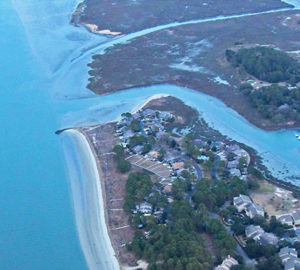
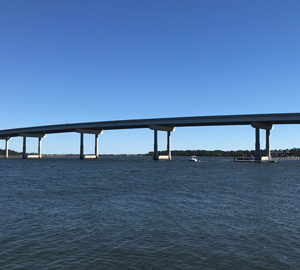
Beyond the popular attractions and scenic views lies a rich tapestry of history, nature, and little-known facts that add an even deeper allure to Hilton Head Island.
Here are some hidden secrets and insights into Hilton Head Island that might surprise you:
1. Historical Haven
Before becoming a beloved vacation spot, Hilton Head Island played a significant role in American history. The Island was home to several plantations during the Civil War and became the site of Fort Walker, a stronghold for Union troops after their successful capture of the island in 1861. In fact, Mitchelville, on the North End of Hilton Head was the first freed slave village in the United States. When the Union troops invaded and occupied the Island in 1861 after the Battle of Port Royal, African Americans officially began their road toward freedom. This pivotal point in history also marked Hilton Head as a place of refuge for thousands of freed slaves who sought protection behind Union lines in what became known as “The Contraband Camp.”
2. The Island’s Namesake
No, it has nothing to do with the hotel chain. The Island’s name can be traced back to Captain William Hilton. In 1663, Hilton, an English sea captain exploring the New World on behalf of a group seeking new lands for British plantations, identified a headland near the entrance to Port Royal Sound. He named it “Hilton’s Head” after himself, a name that has endured to this day.
3. A Natural Sanctuary
Hilton Head is not only famous for its human history and luxurious amenities. It is also a haven for wildlife, offering a safe habitat for various species. The Island is particularly renowned for its loggerhead sea turtles that nest on its beaches between May and October. Efforts from local conservationists and volunteers help protect these endangered creatures, ensuring that the beaches remain a nurturing environment for turtle nesting.
4. Gullah Culture
The island has a rich cultural history, with a substantial influence from the Gullah, Geechee, people—descendants of African slaves who worked on rice, cotton, and indigo plantations in the Lowcountry region. The Gullah community on Hilton Head has preserved much of its African heritage, including language, crafts, culinary traditions, and folktales. This vibrant culture is an essential part of the Island’s identity, with opportunities for visitors to learn about Gullah history through tours and museums.
5. A Hidden Goldmine for Birdwatching
With its diverse ecosystems ranging from salt marshes to maritime forests, Hilton Head Island is a paradise for birdwatchers. TheIsland is a crucial stopover for migratory birds and is home to more than 200 species throughout the year. From the majestic bald eagle to the elusive painted bunting, avid birders and casual observers alike can delight in the avian wonders of Hilton Head.
6. The Tree Protection Ordinance
One of the island’s most distinctive features is its lush, green landscape, meticulously maintained to blend with its natural surroundings. This commitment to preserving the environment is encapsulated in Hilton Head’s Land Management Ordinance, which includes strict guidelines for tree removal. The ordinance ensures that the island’s iconic live oaks, palmettos, and pine trees remain an integral part of the scenery.
7. No Neon
Hilton Head Island prides itself on blending with nature. You won’t find any neon signs here; instead, signage sticks to natural, muted colors without any flashy neon lights.
Conclusion
Beyond the manicured golf courses and sun-soaked shores, Hilton Head Island offers a depth of character shaped by its rich history, cultural heritage, and natural beauty. These little-known facts only scratch the surface of what makes Hilton Head a truly fascinating place to explore, inviting visitors to look beyond the beach and discover the island’s hidden treasures.