The phenomenon of cold-stunned sea turtles occurs when they become too cold and their bodies can no longer function properly.
This commonly happens in the colder months, when water temperatures drop below 50°F. This sudden change in temperature can affect cold-blooded animals like fish and reptiles, causing them to become sluggish, disoriented, and unresponsive. This sudden temperature change can cause sea turtles to go into a state of shock, making them unable to swim or eat.
When cold stunning occurs, the metabolism of these animals slows down significantly, leading to various physiological changes. For instance, their heart rate decreases, and their muscles become stiff, making it difficult for them to swim or move. They might also lose balance and end up floating on the water’s surface.
The main reason why fish and reptiles become cold-stunned is that their body cannot regulate their own temperature.
Unlike warm-blooded animals, they are unable to produce their body heat, which makes them entirely dependent on the environment for warmth. Thus, when there is a rapid change in temperature, their bodies struggle to adjust accordingly.
The severity of cold stunning varies depending on the species, size, and duration of exposure. Smaller reptiles are more susceptible to this condition compared to larger ones as they have a higher surface area-to-volume ratio, which makes it easier for them to lose heat. Additionally, the longer the exposure to cold temperatures, the more severe the symptoms will be.
When reptiles become cold-stunned, they are vulnerable to various dangers. For example, they can become easy prey for predators since they are unable to escape or defend themselves. Also, the sudden drop in temperature can weaken their immune system, making them more susceptible to diseases.
Cold stunning primarily affects young sea turtles that have not yet migrated to warmer waters.
These juvenile turtles are more sensitive to changes in temperature as they do not have the body mass or insulation of adult sea turtles. In addition, many species of sea turtles rely on coastal waters for food during their early life stages, putting them at an even higher risk for cold stunning.
When sea turtles become cold-stunned, they often wash up on shore or float helplessly in the water. This makes them vulnerable to predators and boat strikes. In addition, because their bodies cannot properly regulate their temperature, they can also suffer from pneumonia, dehydration, and other health issues.
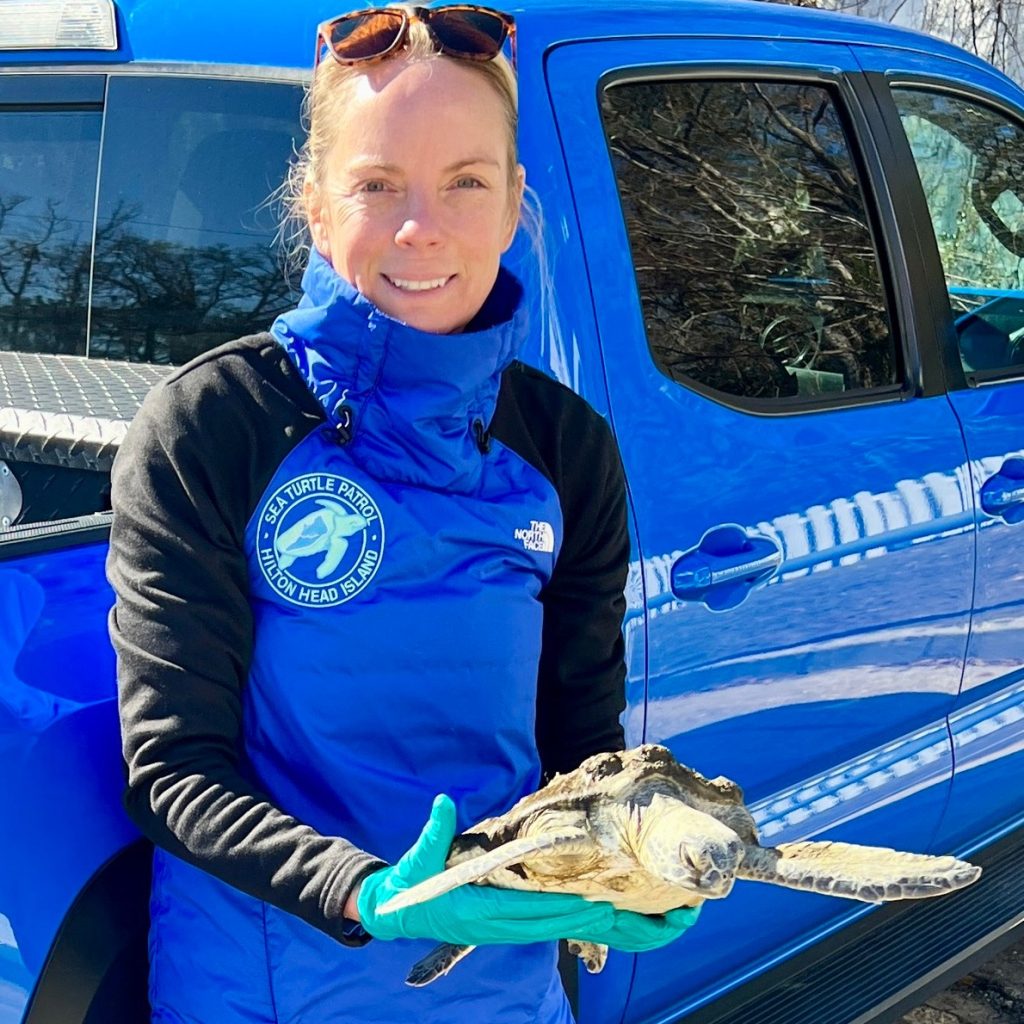
Rescue efforts are often organized by wildlife organizations and volunteers to collect cold-stunned sea turtles and bring them to rehabilitation facilities. Here, they are given proper care and treatment until they are strong enough to be released back into the ocean.
If you should see an injured or stranded turtle, please call SCDNR’s 24-hour hotline 1-800-922-5431. You can contact the Sea Turtle Patrol HHI, please go HERE.
Cold stunning is not a new occurrence.
However, it has become more prevalent in recent years due to changes in climate and severe winter storms. As temperatures continue to fluctuate and extreme weather events become more frequent, the number of cold-stunned sea turtles is also on the rise.
In addition to climate change, human activities such as pollution and overfishing also contribute to the vulnerability of sea turtles. Plastic debris in the ocean can entangle or be ingested by sea turtles, causing harm to their health. Overfishing also depletes their food sources, making it even harder for them to survive in already stressful conditions.
To help prevent cold stunning and protect sea turtle populations, it is important for us to take action. This includes reducing our carbon footprint and advocating for stronger conservation measures. Simple actions like properly disposing of plastic waste and supporting sustainable fishing practices can also make a difference.