With its rich history, Hilton Head Island is home to some of the finest examples of original tabby architecture in the United States.
Tabby is a unique building material used in the coastal Southeast from the late 1500s to the 1850s. It was made by burning oyster shells to create lime, then mixing it with water, sand, ash, and broken oyster shells.
For those who are interested in exploring these historical structures, here are three must-visit locations:
The Barnwell Tabby
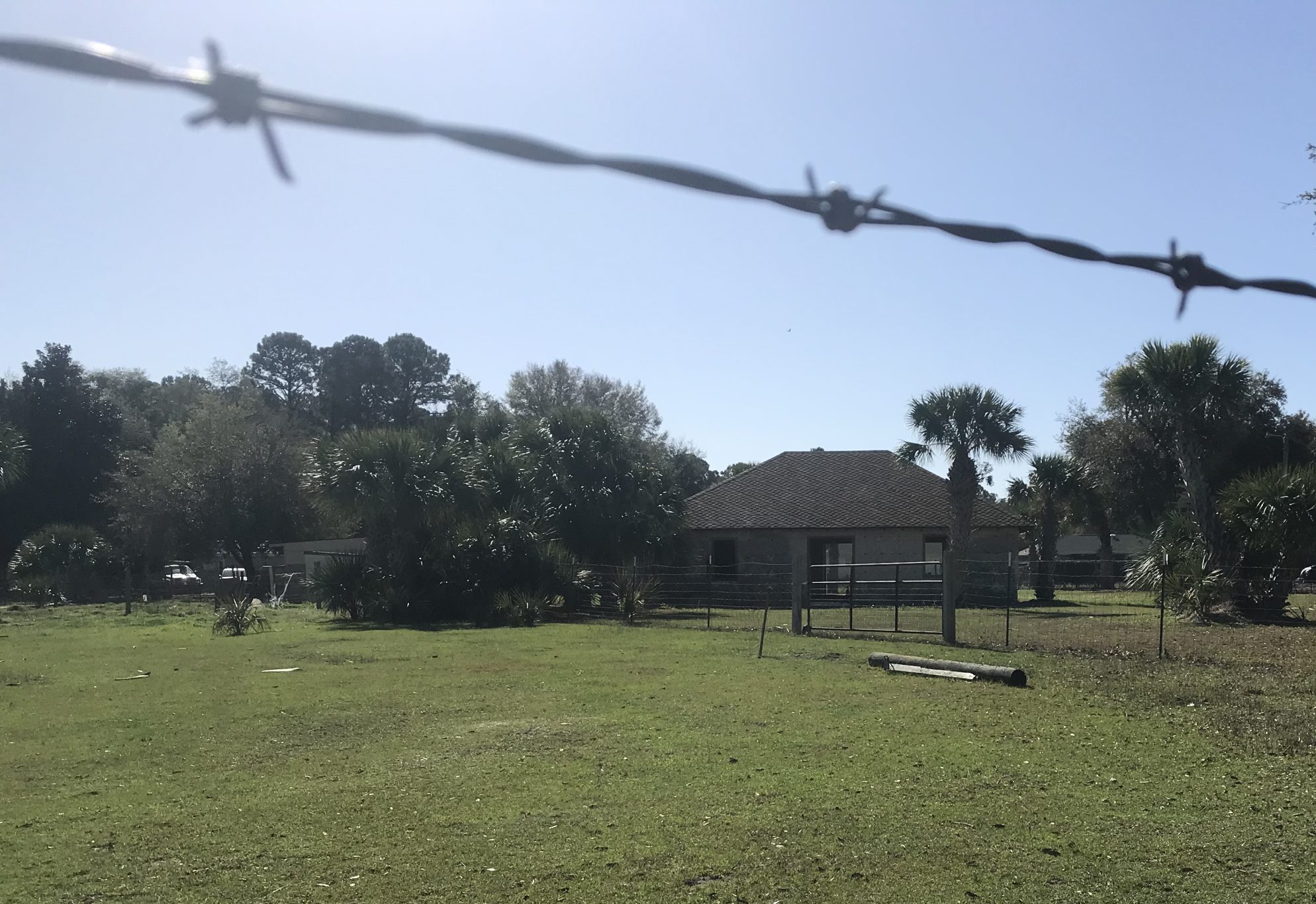
The Barnwell Tabby on Squire Pope Road at the North End of the Island is a fascinating piece of Hilton Head Island’s history. This well-preserved tabby structure likely dates back to the 1820s or 1830s. Constructed by the Barnwell family, the structure and property has been handed down through generations. The Barnwell Tabby is the best-preserved example of this building technique on Hilton Head. Although records of the building were likely destroyed during the Civil War, it’s believed to have been used for cotton production.
The Barnwell family are descendants of enslaved individuals who once worked on the property. As with many descendants of slaves, there are often gaps in their family histories. The structure is situated on private property. It likely belonged to the historic Cotton Hope Plantation, and even earlier, to Skull Creek Plantation.
The Barnwell Site is an active archaeological site with ongoing research. The Barnwell Archaeological Research Project is a collaborative effort involving the SC Archaeology Public Outreach Division (SCAPOD) and the University of South Carolina Beaufort.
Stoney Baynard Ruins

Located between Baynard Park Road and Plantation Drive in Sea Pines, these ruins, also known as Braddock’s Point Plantation, offer a fascinating window into the past. The site covers just under six acres and includes below-ground archaeological remains and four distinct ruins. These include the remnants of a main house, an overseer’s house, and a slave house, dating back to the early 19th century. There’s also a fourth structure that served as a post for Union pickets after the Battle of Port Royal during the Civil War.
Captain Jack Stoney originally built the Baynard house in the 1790s. This grand antebellum plantation house once overlooked the scenic Calibogue Sound. The grounds also included slave quarters, reflecting the complex and often troubling history of the era. Legend has it that the estate changed hands in 1840 when Stoney lost a poker game to William Baynard. Baynard, a prosperous Sea Island Cotton plantation owner, moved in with his wife Catherine and their four children.
When Union forces invaded Hilton Head Island in 1861, the Baynard family evacuated the property. The house was subsequently raided, used as Union headquarters during the Civil War, and eventually burned down. Today, the Stoney-Baynard Ruins are listed on the National Register of Historic Sites, marking them as places worthy of preservation. These ruins stand as silent witnesses to a tumultuous period in American history.
Next time you’re on Hilton Head Island, get an authentic glimpse of original tabby structures.
Each location offers a unique story and a tangible connection to the island’s past. Happy exploring!